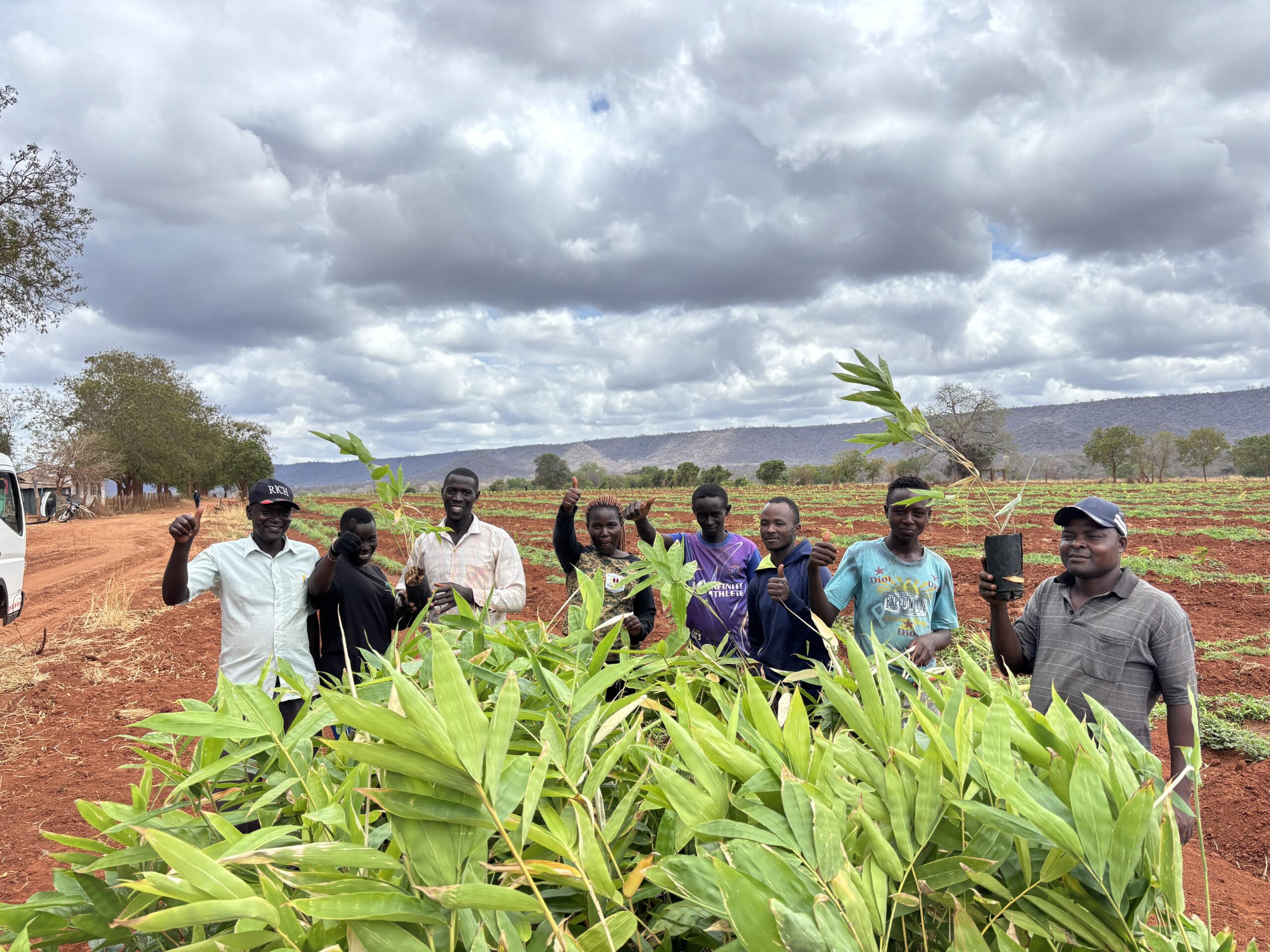
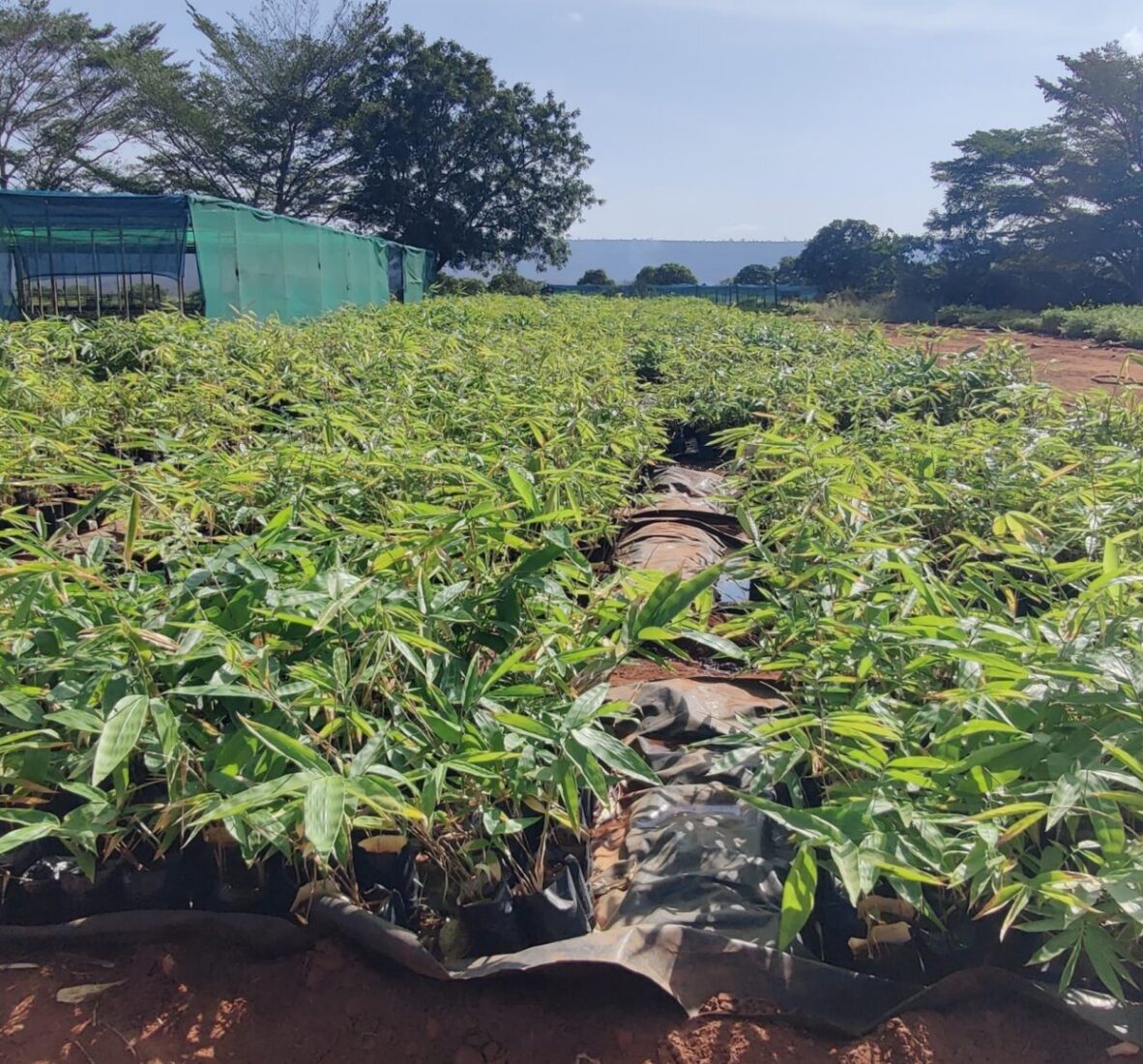
The Vadvai Growers plantation currently spans approximately 650 acres
Land Transformation Story
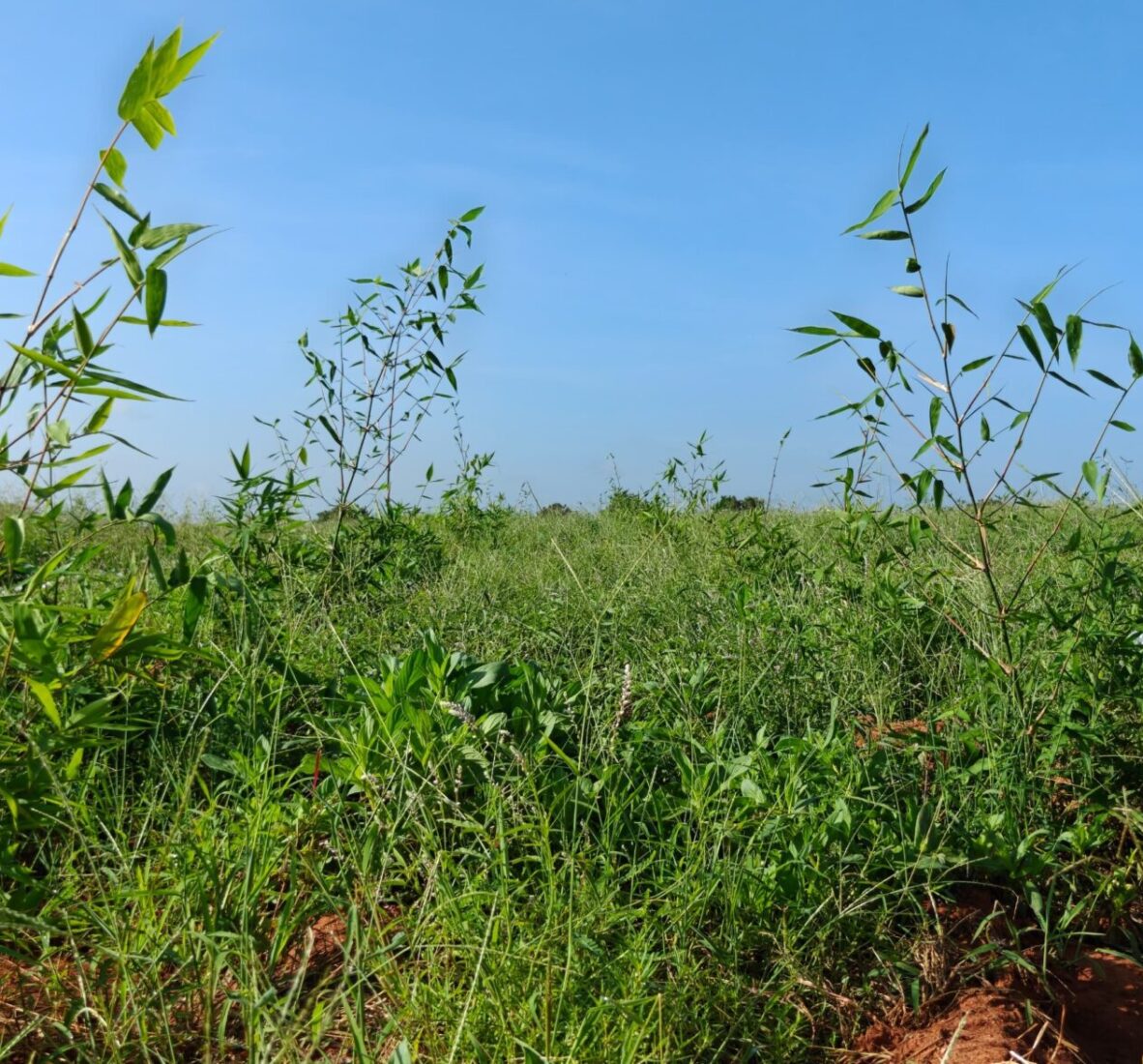
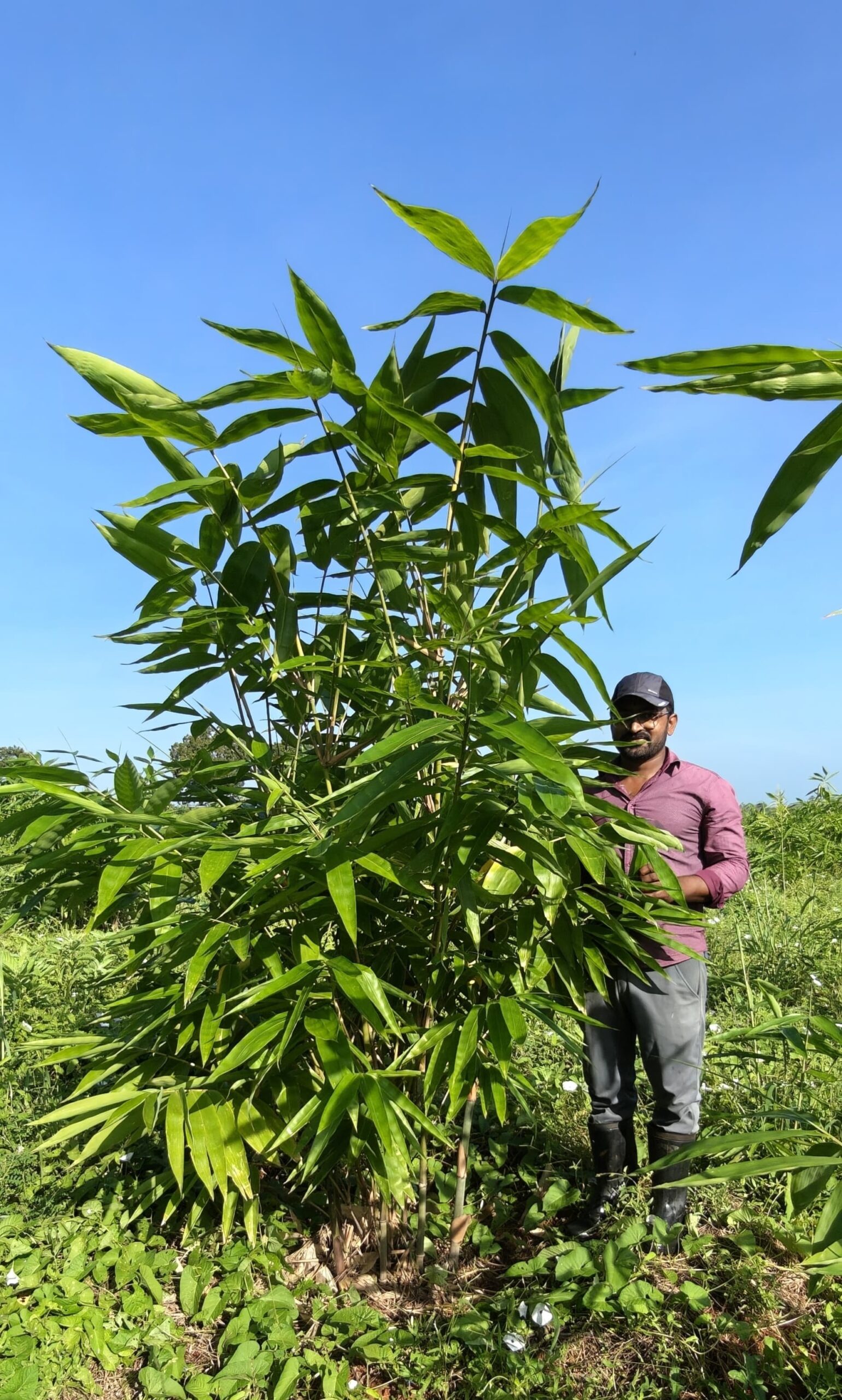
Prior to development, the project land was underutilized and vulnerable to degradation. Through careful planning, soil preparation, and sustainable planting methods, the site is being transformed into a productive green landscape. This transition illustrates how climate-smart agriculture can convert stressed land into a long-term asset that delivers environmental, social, and economic value.
Vadvai Growers is a large-scale bamboo plantation initiative located in Kibwezi, Kenya. The project represents a deliberate effort to transform underutilized and climate-stressed land into a productive, climate-positive landscape through sustainable bamboo cultivation. Operating in a semi-arid region.
Location: Kibwezi
Kibwezi’s semi-arid climate presents both a challenge and an opportunity for climate-resilient agriculture. The region is well suited for selected bamboo varieties capable of thriving under water-efficient management practices. Proximity to the enables controlled irrigation while supporting improvements in local soil moisture and water cycles. The project is designed to work in harmony with the natural ecosystem, enhancing long-term land productivity and environmental resilience rather than exploiting existing resources.
Environmental Impact
Carbon Sequestration
Bamboo plantations can sequester approximately 22 to 48 tonnes of carbon dioxide per hectare per year, depending on species and site conditions, giving the project the potential to absorb thousands of tonnes of CO₂ annually at full scale.
Forest Protection
By providing a fast-growing alternative to traditional timber, the project contributes to forest protection and biodiversity conservation by easing pressure on natural forests.
Soil Restoration
Bamboo’s dense rhizome network significantly reduces soil erosion, improves soil structure, and increases organic matter content, which is especially critical in semi-arid landscapes such as Kibwezi.